AI Governance Lags as Autonomous Systems Infiltrate Industrial Operations
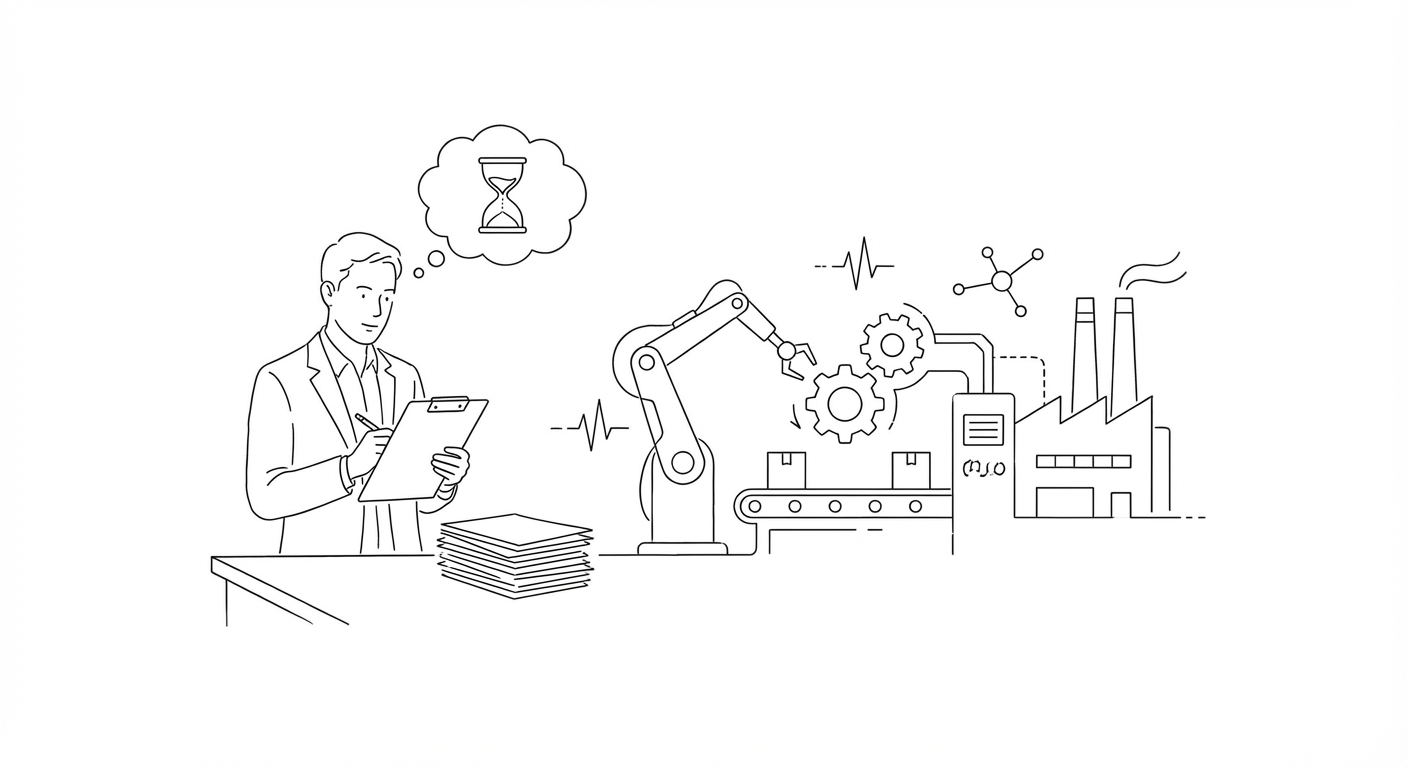
From grant-making to factory floors, AI agents are embedding faster than oversight frameworks can adapt, exposing gaps in identity control and human accountability.
A note to our readers. Synthese AI is pausing operations as we step back to reassess our direction. Rather than continue down a path we're not fully confident in, we want to rethink what this platform should be — not just another news feed, but something meaningfully useful. Thank you for reading and engaging with us. If and when we return, it will be with a clearer vision.
From grant-making to factory floors, AI agents are embedding faster than oversight frameworks can adapt, exposing gaps in identity control and human accountability.

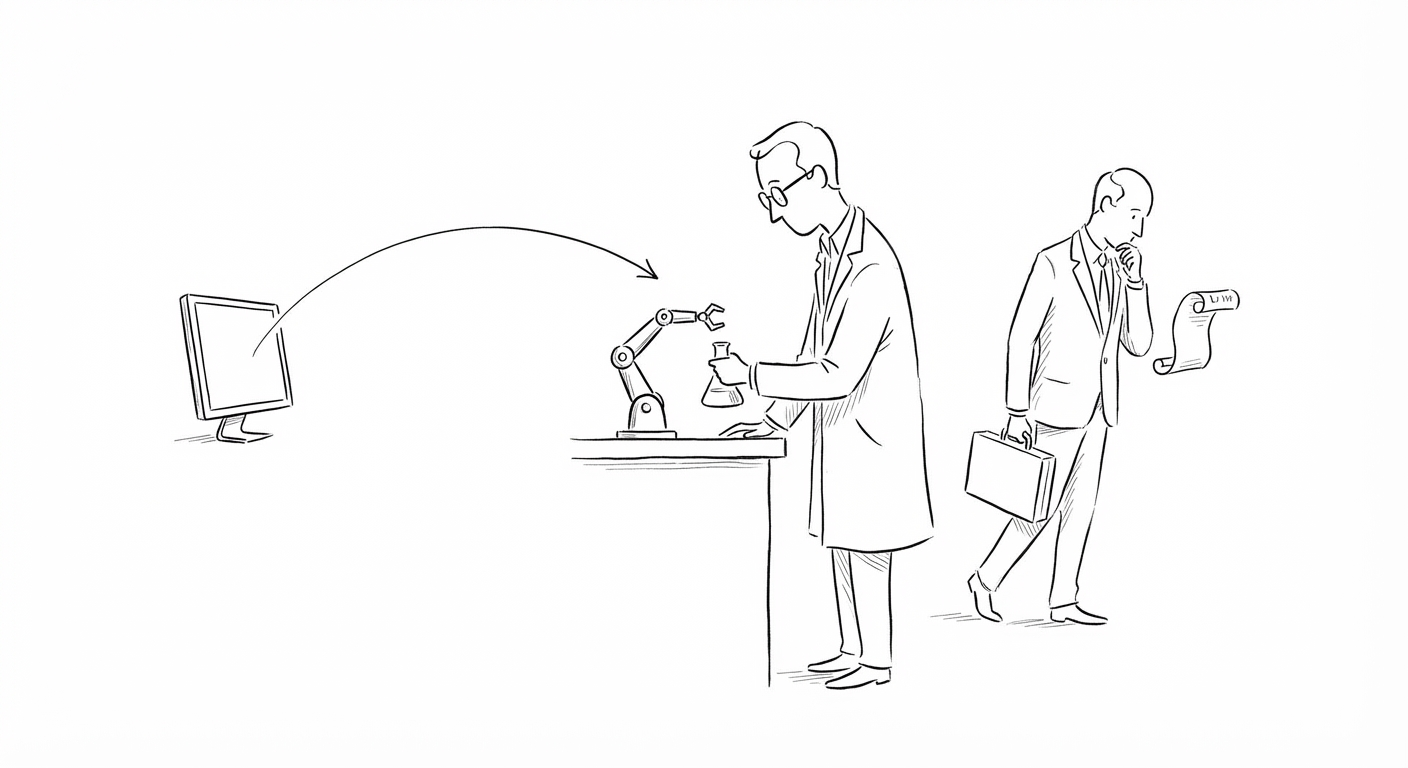
OpenAI's GPT-5 autonomously designed and ran 36,000 biological experiments, cutting protein costs 40%. The advance signals a shift from AI as tool to AI as independent researcher.

RIKEN researcher argues machines must learn to quantify uncertainty before processing data, challenging dominant paradigms in neural network design.

A 26-person U.S. startup releases what it claims is the most capable non-Chinese open-weight reasoning model, targeting enterprises wary of geopolitical risk.

Meta will selectively open-source new models developed under Alexandr Wang, marking a shift from its Llama playbook as rivals coordinate against Chinese distillation threats.

Internal memo reveals IBM subsidiary's plan to embed AI across development as researchers warn traditional open-source economics may not survive the shift.

Major labs now deploy AI to write code and conduct experiments, with Anthropic reporting 90% automation. Former leaders warn governance lags behind capability gains.

Reporting reveals OpenAI covertly financed advocacy group pushing state AI age-verification law while selling competing services, raising conflict-of-interest concerns.