Trump AI Framework Leaves Companies in Legal Limbo as State Laws Advance
White House proposal for light-touch federal AI policy offers preemption promise but lacks congressional path, leaving firms exposed to divergent state mandates in election year.
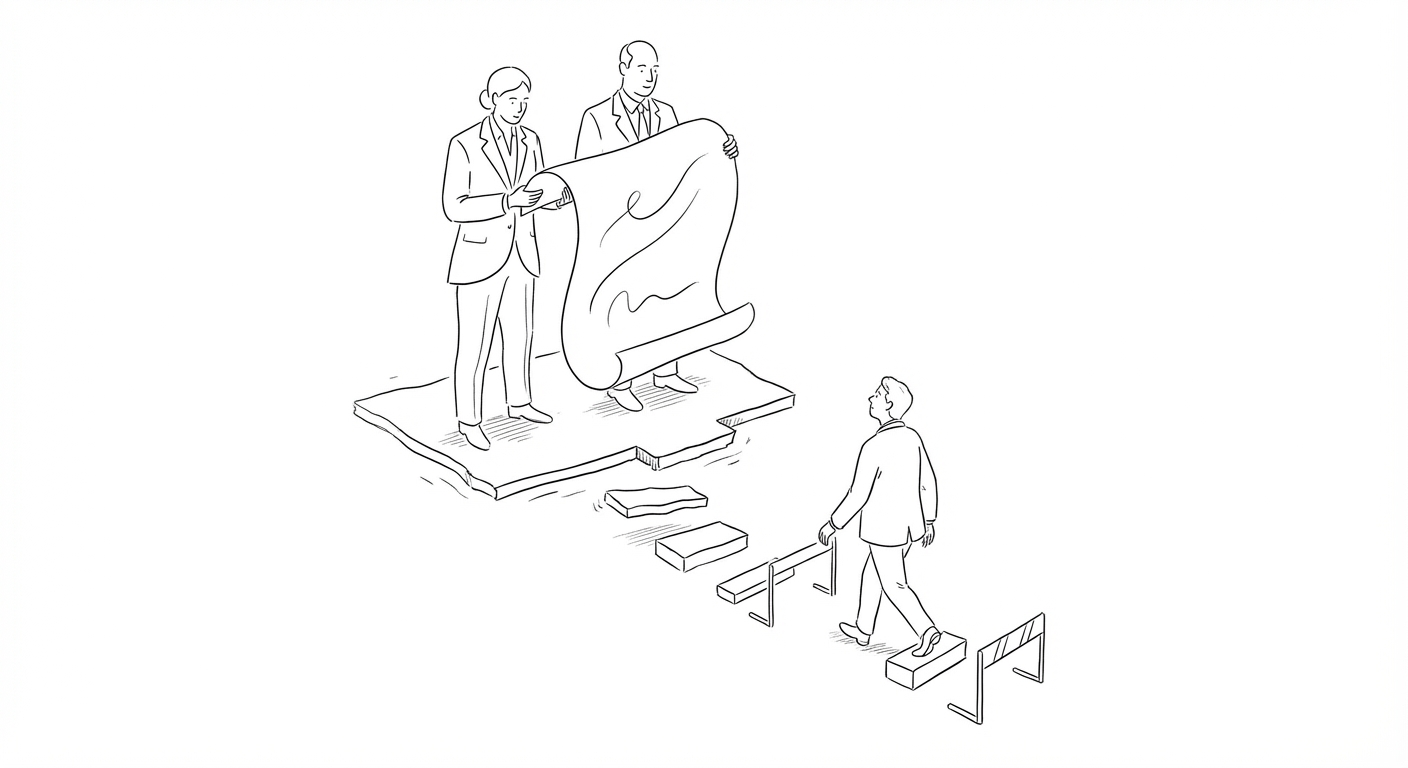
The Trump administration's artificial intelligence policy framework, released in late March 2026, promises relief from a patchwork of state regulations but delivers no immediate legal certainty for companies navigating conflicting mandates across dozens of jurisdictions.
The White House proposal calls on Congress to establish a minimally burdensome national standard that would preempt state AI laws imposing undue burdens on interstate commerce. The framework favors existing agencies and industry-led standards over new regulatory bodies, urging lawmakers to leave difficult legal questions to the courts and sector-specific regulators. It also proposes streamlining federal permitting for AI data centers and expanding workforce training programs to incorporate AI skills.
Yet the plan's fate remains uncertain in an election year, with Congress consumed by homeland security funding, Middle East conflict appropriations, and voter identification disputes. The administration's framework must also contend with competing legislative priorities, including a bill from Senator Marsha Blackburn that would eliminate Section 230 protections for internet platforms—directly contradicting the White House's proposal to extend such liability shields to AI companies.
The framework is silent on how it would handle states that have already enacted AI legislation, including California and New York. While the proposal asserts that states should not regulate AI development due to its interstate and national security dimensions, it offers no mechanism for unwinding existing statutes or clarifying which state authorities would survive federal preemption beyond limited carve-outs for child safety and zoning.
(The policy shift follows Executive Order 14365, signed in December 2025, which directed an AI Litigation Task Force to challenge conflicting state laws on interstate commerce grounds while establishing a preference for private-sector innovation over prescriptive federal frameworks.)
European observers have interpreted the U.S. approach as reflecting a deliberate strategic logic: treating artificial intelligence as a general-purpose technology where scale and regulatory coherence determine competitive advantage. Mistral AI's chief executive proposed in March a revenue-based levy on commercial AI providers operating in the European Union to fund cultural sectors, underscoring transatlantic divergence on whether AI development should bear social costs.
The regulatory vacuum leaves companies exposed to enforcement actions from state attorneys general and federal agencies using existing consumer protection authority. The Federal Trade Commission has historically maintained that AI systems producing discriminatory outcomes can violate consumer protection laws even without discriminatory intent, though the current administration's emphasis on reducing regulatory barriers may temper near-term federal enforcement.
Keywords
Sources
https://news.bloomberglaw.com/daily-labor-report/ai-legal-risks-abound-despite-trumps-push-for-federal-policy
Emphasizes companies remain in limbo as state lawmakers advance varying mandates despite presidential framework proposal
https://www.wsj.com/articles/white-house-ai-plan-favors-speed-over-new-rules-fba67509?gaa_at=eafs&gaa_n=AWEtsqeM9NpYKENi_gSqurPyB2Q494MW4cN2uPKeFxZPGJtUSaC_ekuUp4ZM&gaa_ts=69bdad77&gaa_sig=dTK_ofC0ZpIuGmKOMG89YJ5OSpw--GNjj7VDBXKq-Tl_YmcK06YtDvkmqCXv-yVDaZUdcefPmOyXr5e218W_Ng%3D%3D
Highlights preference for light-touch regulation, existing laws, and leaving difficult legal issues to courts rather than new agencies
https://pitchbook.com/news/articles/opportunities-and-risks-of-white-houses-proposed-ai-framework
Notes proposal's silence on states that already passed laws and conflict with Blackburn bill over Section 230 protections