
Microsoft AI Chief Admits Computing Shortfall Despite Billions in Infrastructure Spend
Mustafa Suleyman says the tech giant still lacks sufficient processing capacity to meet AI demand, underscoring industry-wide resource constraints.
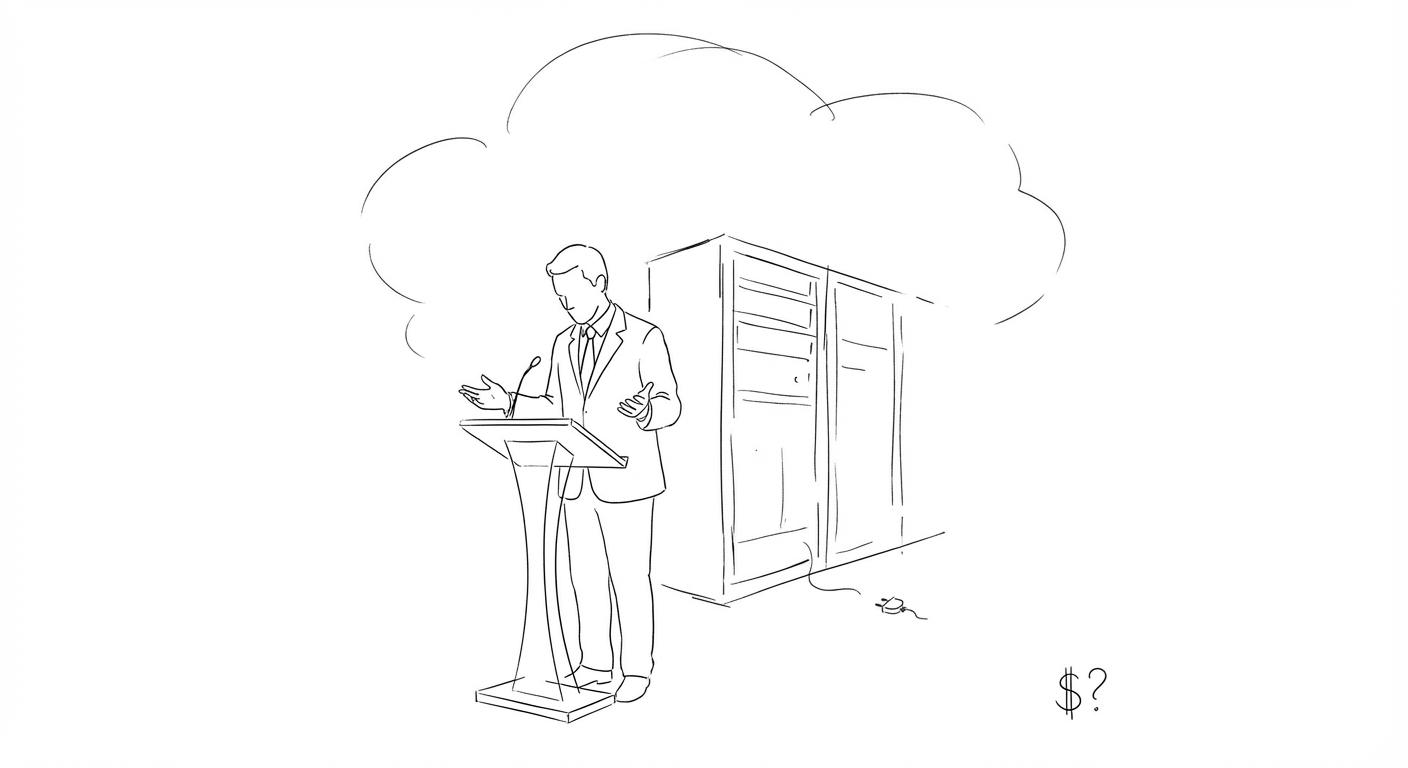
Microsoft's consumer AI division remains constrained by insufficient computing power despite the company's massive investments in data center infrastructure, according to the executive leading its artificial intelligence strategy.
Mustafa Suleyman, who joined Microsoft in 2024 from Google's DeepMind to lead consumer AI efforts, acknowledged the computing shortfall as the company works to reduce costs and prepare for surging demand. "We expect to see an enormous amount of demand," Suleyman said, signaling that capacity constraints could persist even as Microsoft expands its hardware footprint.
The admission comes as Microsoft builds out proprietary AI infrastructure, including its MAI-1 foundation model trained on Nvidia H100 graphics processing units. That system remains in preview, reflecting the technical and resource challenges of deploying large-scale AI systems independent of external partners.
Microsoft established Suleyman's team amid renegotiations with OpenAI that granted both companies greater operational autonomy. The restructuring allows Microsoft to develop competing AI products while maintaining its multibillion-dollar partnership with the ChatGPT maker, creating a complex dynamic of collaboration and rivalry.
The company has accelerated hiring from competitors, bringing aboard Ali Farhadi, former chief executive of the Allen Institute for AI, among other prominent researchers. The talent acquisition campaign underscores Microsoft's push to reduce dependence on OpenAI's models and build end-to-end AI capabilities.
(Suleyman co-founded DeepMind, which Google acquired in 2014, before launching AI startup Inflection AI and subsequently joining Microsoft when the tech giant acquired much of Inflection's team and technology.)
Microsoft's computing admission highlights a broader industry paradox: despite record capital expenditures on AI infrastructure by major technology companies, processing capacity remains the binding constraint on deployment. The gap between investment and available compute reflects both the explosive growth in AI workloads and the long lead times required to bring new data centers online, particularly as power and cooling requirements escalate with each generation of AI accelerators.
Keywords
Sources
https://timesofindia.indiatimes.com/technology/tech-news/microsoft-ai-ceo-mustafa-suleyman-microsoft-still-lacks-the-computing-power-needed-to-/articleshow/130033693.cms
Reports Suleyman's acknowledgment of computing shortfall and Microsoft's in-house AI development efforts including MAI-1 model