
IPCC Faces Legitimacy Dilemma as AI Policy Debate Exposes Science-Politics Fault Lines
The UN climate panel must navigate member-state consensus on AI use while balancing technical efficiency against democratic legitimacy and knowledge diversity concerns.
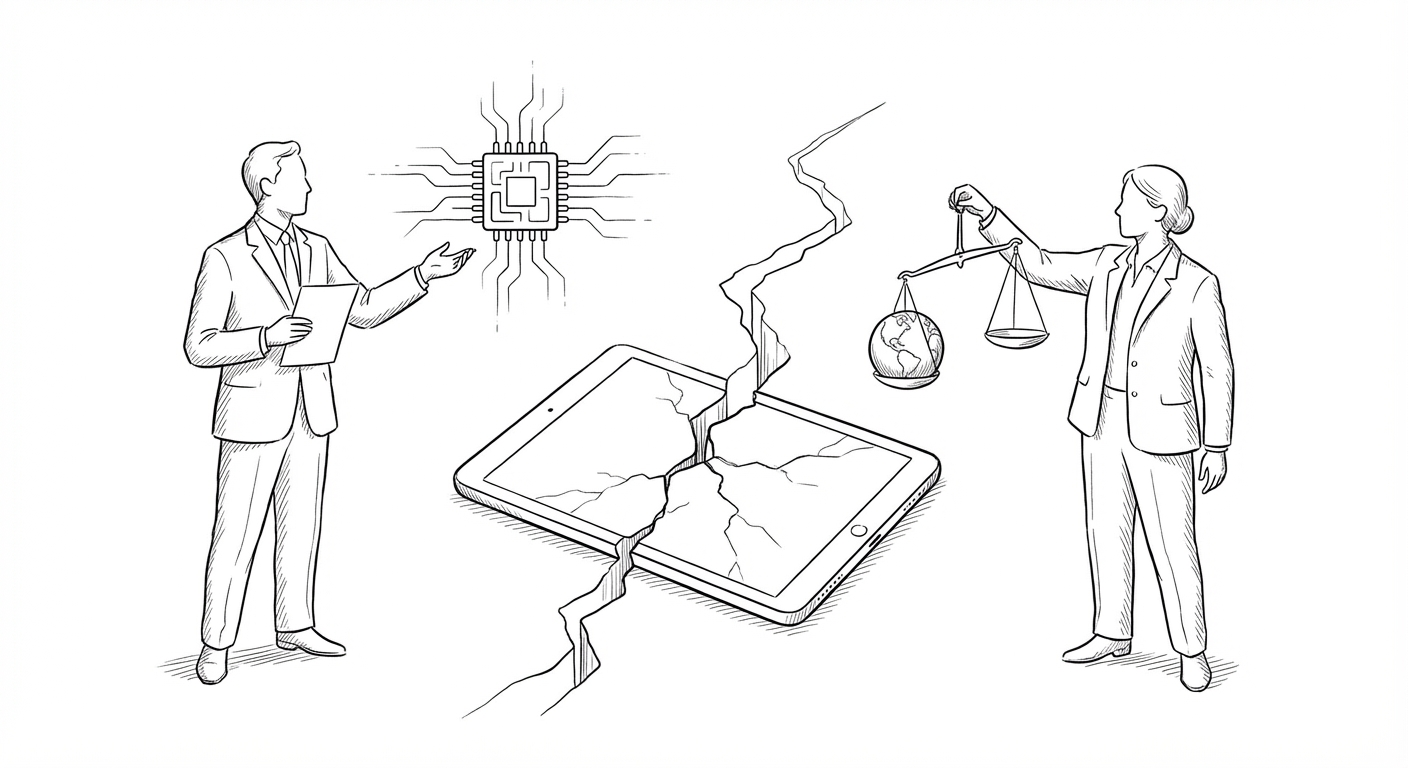
The Intergovernmental Panel on Climate Change confronts an unprecedented governance challenge as it weighs how artificial intelligence should shape the world's authoritative climate assessments, a process that extends far beyond technical questions of efficiency to the heart of how democratic societies build consensus on existential threats.
Any comprehensive AI policy for the IPCC must win approval by consensus among member governments in plenary session, a political gauntlet that could prove as contentious as the climate negotiations themselves. The stakes transcend the mechanics of report-writing: AI's role will fundamentally alter how the panel fulfills its unique function at the science-policy interface, where perceptions of legitimacy matter as much as fidelity to the scientific literature.
Researchers warn that positioning AI as an arbiter of truth in climate science carries profound social consequences. "There is the risk that diverse forms of knowledge will be completely disregarded," according to analysis published in Nature. The concern extends to democratic decision-making itself: if AI shortcuts debate by presenting a single "correct" assessment, it risks "closing down policy options in ways that limit robust decision-making."
The struggle over policy alternatives and the meaning of climate change forms the basis of legitimacy in democratic systems, scholars note. Ruth Machen and Warren Pearce caution against "not just the importing of particular methods but also of particular logics, esthetics, and values into processes" of climate governance.
(The IPCC operates as a UN body that synthesizes climate research into assessment reports used by governments worldwide. Its consensus-based approval process has historically made procedural changes politically fraught.)
The IPCC debate unfolds as governments worldwide grapple with AI governance frameworks. The Trump administration has pushed for federal preemption of state AI laws, though key agencies have missed deadlines for implementing executive orders. A White House spokesperson said "President Trump is ensuring the United States of America leads the world in Artificial Intelligence," while acknowledging that "our policy statement will come out very soon." Meanwhile, the State Department has ordered a global campaign highlighting alleged AI intellectual property theft by Chinese firms including DeepSeek, accusations Beijing calls "groundless."
Keywords
Sources
https://www.nature.com/articles/s43247-026-03514-y
Explores how AI policy for IPCC affects societal consensus-building and risks disregarding diverse knowledge forms in climate assessment
https://www.axios.com/2026/04/24/trump-missed-ai-deadlines
Reports Trump administration missed AI policy deadlines while pushing federal preemption framework through Congress
https://www.itnews.com.au/news/us-state-dept-orders-global-warning-about-alleged-ai-thefts-by-deepseek-other-chinese-firms-625379
Covers State Department diplomatic push alleging Chinese AI intellectual property theft amid geopolitical tensions
https://www.tipranks.com/news/google-googl-declares-war-on-nvidia-nvda-with-homegrown-ai-chips
Details Google's custom AI chip strategy challenging Nvidia's market dominance with new TPU generation