
HR Departments Pour Cash Into AI Yet Achieve Just 9% Cost Savings on Average
Despite surging investment in artificial intelligence tools, human resources functions are delivering returns far below vendor promises, with data quality and governance gaps—not technology—emerging as the primary obstacles.
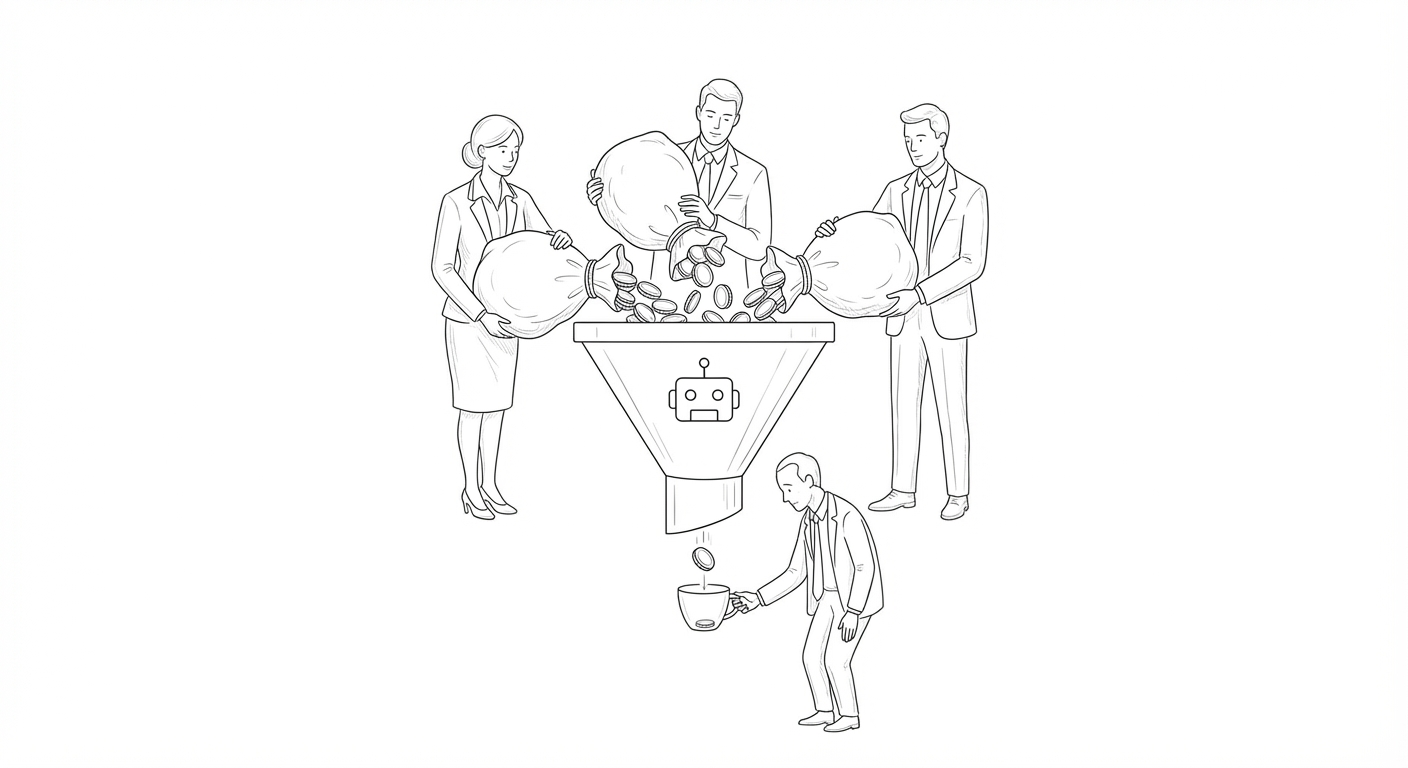
Human resources departments are investing heavily in artificial intelligence to address mounting performance shortfalls, yet the technology is delivering cost savings averaging just 9 percent—a fraction of the 30 to 60 percent returns many AI providers advertise to the market.
The gap between expectation and reality is widening across corporate HR functions. Four in ten organizations now rate both HR efficiency and the quality of data used for workforce insights as falling somewhere between far below and somewhat below business expectations, according to research from advisory firm ISG.
HR leaders are turning to AI with specific goals: improving operational efficiency, generating new insights for organizational decision-making, and driving productivity gains within the HR function itself. But the modest returns suggest a fundamental mismatch between deployment strategies and the structural prerequisites for AI success.
The constraint is not technological capability. When executives identify barriers to results, they consistently point to fragmented data architectures, absent governance frameworks, and process inconsistencies across business units. Realizing meaningful AI impact requires cleaning and integrating data across disparate organizational platforms, alongside governance models that ensure transparency, compliance, and safety.
A strategic realignment is emerging among early leaders. Some organizations are consolidating HR and IT into unified "People and Digital Technology" functions, while others are forging tighter operational partnerships between the two domains. The common thread is positioning HR at the center of enterprise AI strategy from inception, rather than treating it as a downstream technology recipient.