
Enterprise Networks Adopt Autonomous AI as Infrastructure Becomes Self-Driving
Vendors embed machine learning and closed-loop automation into corporate networks, promising to predict and resolve outages without human intervention.
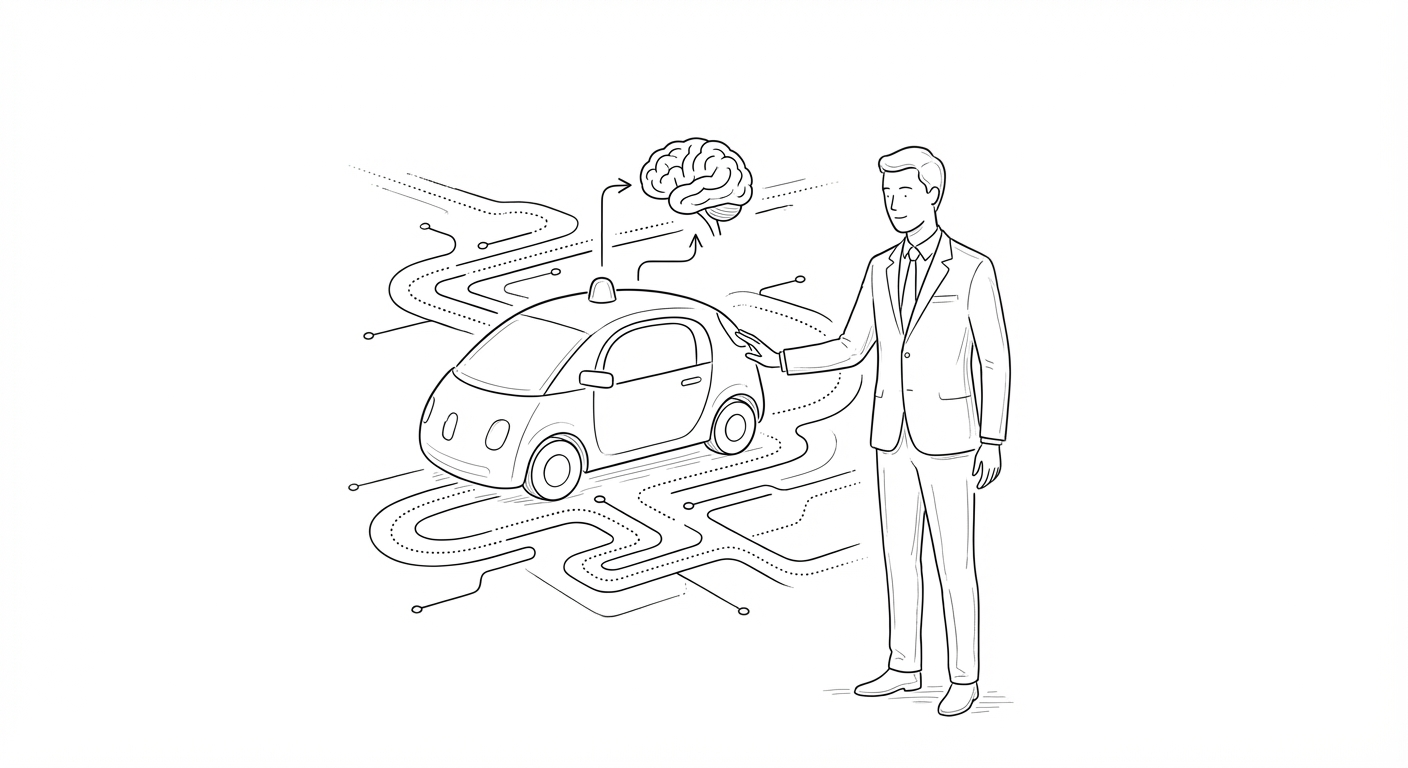
Enterprise networking vendors are embedding artificial intelligence directly into corporate infrastructure, creating systems that detect anomalies, diagnose root causes, and execute fixes autonomously—a shift industry participants are calling "self-driving networks."
Platforms from HPE, including Mist AI and GreenLake Intelligence, combine machine learning with generative agents and closed-loop automation to predict failures and reduce operational overhead across hospitals, retail chains, and university campuses. The technology aims to improve network stability while cutting the labor required to manage sprawling corporate infrastructure.
The push toward autonomous networking arrives as AI reshapes the boundary between software products and managed services. "We're really heavily focused on how we can best ride the coming tech wave of AI," said Bryan Styles, director of design innovation and technology operations at General Motors, during a Newsweek forum examining whether software vendors will pivot toward service models as automation handles tasks previously performed by human operators.
Former AI leaders from Microsoft, OpenAI, Google, DeepMind, and the White House warned in early April that advancing systems are becoming more capable and harder to control, urging stronger safety measures and workforce planning as automation scales across sectors including healthcare and national security.
(The networking automation trend reflects broader enterprise adoption of AI-driven operations, with retailers deploying predictive inventory systems and small businesses reporting measurable returns from AI tools, according to industry surveys released in recent months.)
The convergence of AI and infrastructure management marks a strategic inflection point for traditional networking vendors, who face pressure to differentiate hardware sales with software intelligence as cloud providers and hyperscalers build competing automation capabilities. HPE and rivals are racing to prove that embedded AI can deliver operational savings large enough to justify platform lock-in, while enterprises weigh the risks of ceding network control to autonomous agents whose decision-making processes remain opaque.
Keywords
Sources
https://letsdatascience.com/news/self-driving-networks-automate-enterprise-network-operations-d663695a
Highlights HPE platforms and concrete use cases in hospitals, retail, and campuses with vendor-sponsored framing.
https://www.newsweek.com/ai-impact-what-happens-when-ai-changes-what-work-actually-is-11769066
Explores strategic shift from software to services as AI automates tasks, featuring GM executive perspective.
https://letsdatascience.com/news/former-insiders-warn-ai-reshapes-jobs-and-risk-6eb03717
Former AI leaders warn systems are becoming harder to control, urging safety measures and workforce planning.
https://chainstoreage.com/retail-technology-news-march-update-1
Documents retail sector deployment of AI-driven inventory and allocation systems alongside networking automation.