
Apple App Store Buckles Under Agentic Coding Surge as Review Times Balloon
iOS app submissions jumped 55% year-over-year in January as AI-generated code floods Apple's review pipeline, with developers reporting six-week waits despite Cupertino's 48-hour claims.
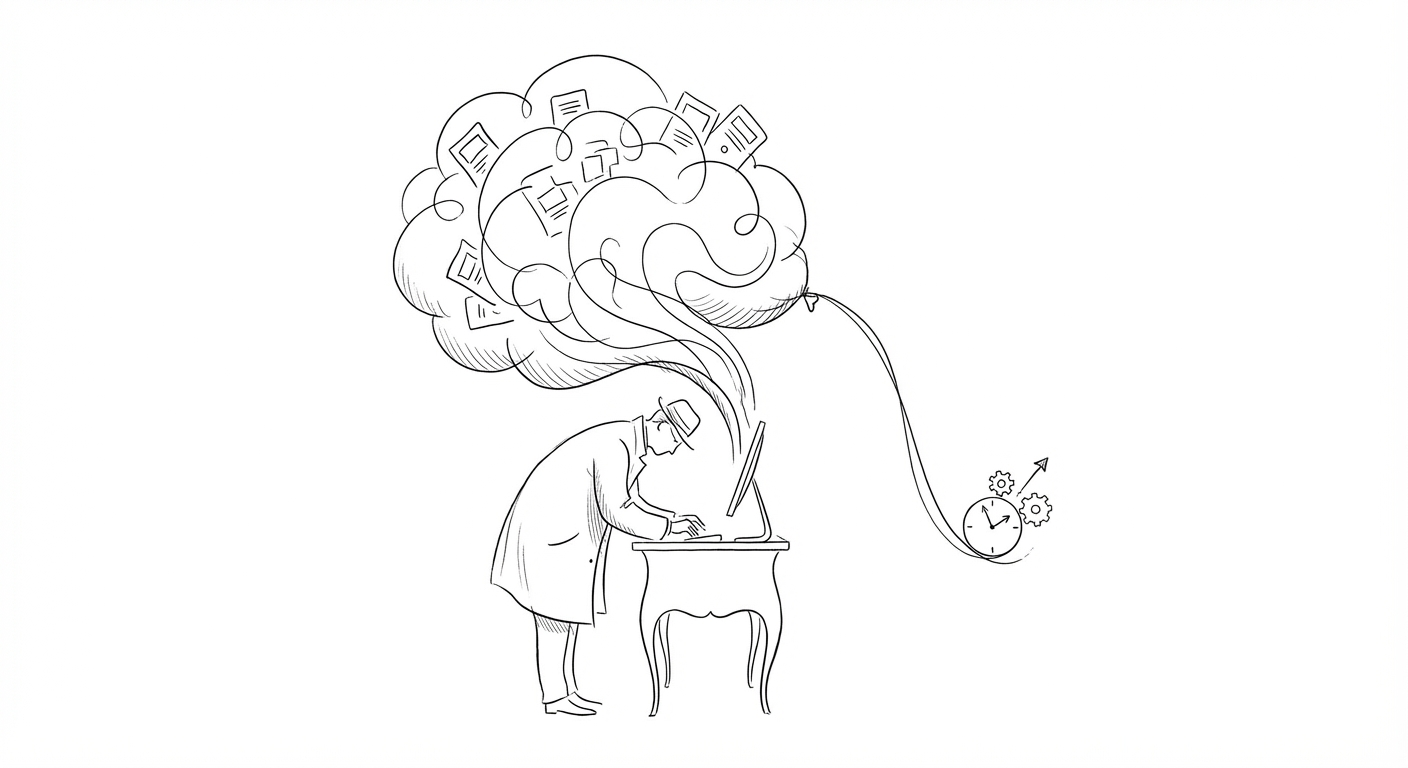
Apple's App Store is straining under a wave of new submissions driven by the mainstreaming of agentic coding tools, creating a widening gap between the company's official review metrics and developer experience on the ground.
iOS app launches rose 54.8 percent year-over-year in January 2026, following a 56 percent spike in December, according to data from mobile intelligence firm Sensor Tower. The surge coincides with widespread adoption of AI coding assistants capable of generating entire applications with minimal human oversight, a shift that has fundamentally altered the economics and velocity of mobile app development.
Developers are reporting approval waits stretching to six weeks, a stark contrast to Apple's public assertion that it reviews 90 percent of submissions within 48 hours and processes approximately 200,000 submissions weekly. The discrepancy suggests either a dramatic shift in the composition of the submission queue or a mismatch between initial automated screening and final human review for apps flagged by quality or policy filters.
The bottleneck raises strategic questions about Apple's capacity to maintain its historically tight curation standards in an era when the cost of producing a functional app has collapsed to near zero. If agentic tools continue to democratize app creation at this pace, the App Store's review infrastructure—long a competitive moat ensuring baseline quality and security—may become a liability rather than an asset.
(The Sensor Tower data reflects publicly launched apps and may not capture the full volume of submissions, including those rejected or withdrawn before public release.)
Apple has historically positioned its walled-garden review process as a quality and safety differentiator against Android's more permissive Play Store. That positioning now faces a stress test: either invest heavily in scaled review capacity, automate more aggressively and risk quality erosion, or tighten submission criteria and risk antitrust scrutiny in jurisdictions already skeptical of App Store gatekeeping power.
Keywords
Sources
https://letsdatascience.com/news/app-store-faces-longer-review-delays-5cc32314
Quantifies submission surge with Sensor Tower data and contrasts developer anecdotes against Apple's official 48-hour review claim.
https://www.forbes.com/sites/sanjaysrivastava/2026/03/27/the-real-shift-is-not-ai-tools-it-is-workflow-ownership/
Explores broader workflow transformation as AI tools shift ownership and economics of software creation.
https://www.forbes.com/sites/johnwerner/2026/03/29/can-machines-be-creative-one-compelling-answer/
Examines philosophical implications of machine-generated creative output, relevant to AI-authored app code.
https://letsdatascience.com/news/niqo-robotics-hits-profitability-expands-weeding-platform-ce0051a7
Highlights parallel trend of AI-driven automation achieving commercial viability in adjacent physical domains.