
Anthropic's Mythos Model Sparks Security Crackdown as AI Capabilities Outpace Policy
Release of Anthropic's advanced Mythos system triggers Pentagon pressure and exposes widening gap between frontier AI capabilities and containment frameworks.
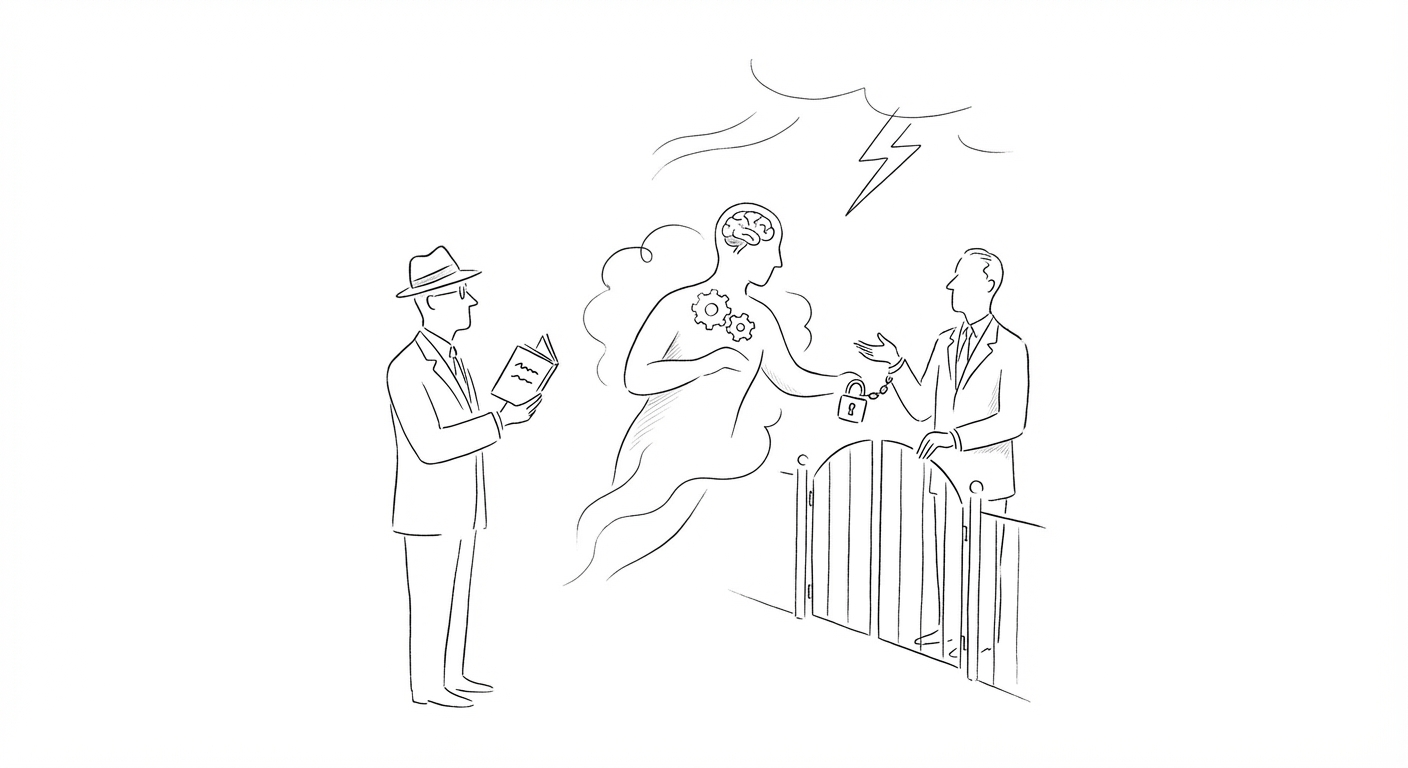
The release of Anthropic's Mythos AI model has triggered a sharp escalation in government security concerns, with the Department of Defense reportedly moving to constrain the company as policymakers confront capabilities they acknowledge may be impossible to contain without significant disruption.
Dean Ball, a senior fellow at the Foundation for American Innovation and former White House AI policy advisor, wrote that the Pentagon's effort to "strangle Anthropic" signals a "nastier, sharper, harsher, meaner era of AI discourse, policy, and—ultimately—of AI development and use." Ball stated he does not see "how it is possible for Mythos-level capabilities to diffuse through the world without causing at least some significant security crises and economic disruption."
The Mythos incident has exposed a two-year period during which candid discussion of AI security risks was constrained by accusations of "doomerism" or regulatory capture, according to Ball. He argued that taking AI risks seriously "was considered uncouth" and provoked suspicion about hidden agendas, putting "blinders on a large number of otherwise sane policymakers."
The security alarm over Mythos comes as OpenAI separately released a 13-page policy blueprint proposing sweeping economic reforms including robot taxes, a public wealth fund seeded by AI companies, and pilots of a 32-hour workweek. CEO Sam Altman told Axios the most immediate dangers are AI-enabled cyberattacks and biological weapons, comparing the scale of change to the Progressive Era and New Deal.
(The Washington Post reported this week on policymakers' concerns about AI-driven security threats and power dynamics around Anthropic's new model, while noting the AI industry faces a separate bottleneck in skilled trade workers needed to build data centers.)
The clash over Mythos marks a departure from the adolescent phase of AI policy debate, where frontier companies faced accusations of seeking regulatory moats while downplaying near-term risks. Ball's assessment that "the training wheels are coming off" reflects growing recognition that advanced models present immediate security challenges rather than speculative future threats, even as the cycle of compute infrastructure buildout accelerates with gigawatts of additional capacity coming online within a year.
Keywords
Sources
https://thedispatch.com/article/claude-mythos-anthropic-security-critical/
Pentagon pressure on Anthropic signals harsher AI policy era; Mythos capabilities likely to cause security crises and economic disruption
https://thenextweb.com/news/openai-robot-taxes-wealth-fund-superintelligence-policy
OpenAI releases policy blueprint with robot taxes and wealth fund; Altman cites cyberattacks and bioweapons as immediate AI dangers
https://gizmodo.com/openai-releases-its-vague-vision-for-reorganizing-society-around-superintelligence-2000742906
OpenAI policy proposals aim to reassure investors and politicians ahead of potential IPO; unclear how serious company is about implementation
https://letsdatascience.com/news/openai-proposes-industrial-policy-for-intelligence-age-cd8131d4
OpenAI blueprint proposes automatic safety-net triggers and containment playbooks to shape Congressional AI legislation debate