AI Liability Insurance Emerges as New Business Requirement Amid Policy Vacuum
As federal AI framework stalls in Congress, insurers launch specialized coverage for AI-related lawsuits, signaling shift from optional to mandatory protection for businesses.
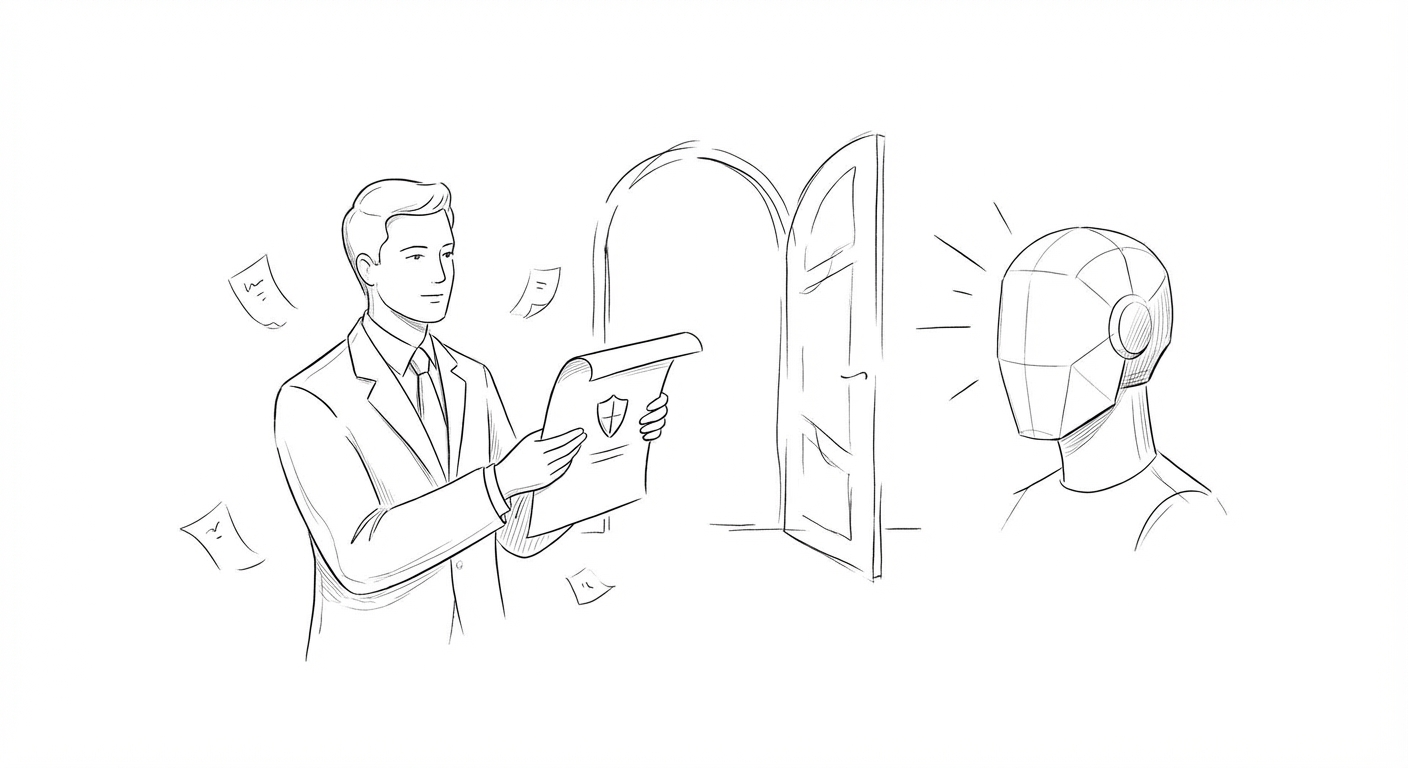
A new category of commercial insurance is taking shape as artificial intelligence systems proliferate faster than the legal frameworks meant to govern them. Hartford Steam Boiler has introduced liability coverage specifically designed to protect businesses from lawsuits arising from AI system failures, filling gaps left by standard general liability policies that increasingly exclude AI-related incidents.
The insurance product covers bodily injury and property damage caused by AI-powered systems, from malfunctioning HVAC units controlled by machine learning algorithms to electrical appliances installed following chatbot guidance. The move reflects growing recognition among risk managers that AI deployment creates exposure categories traditional policies were never designed to address.
The timing coincides with a federal regulatory vacuum. While the White House has proposed blocking state-level AI regulation and called for national standards on consumer protections and energy costs, Congress remains mired in competing priorities including homeland security funding and Middle East policy. Republican Senator Marsha Blackburn's TRUMP AMERICA AI Act diverges from administration proposals on key issues, including whether to expand or eliminate liability protections for platforms hosting AI-generated content.
(The insurance industry's move to formalize AI liability coverage ahead of settled regulation represents a pragmatic response to legal uncertainty, effectively creating a private-sector risk framework while lawmakers debate jurisdiction and scope.)
The emergence of specialized AI insurance follows a pattern seen in previous technology waves, where insurers stepped in to price and manage risks before regulators established clear rules. Cybersecurity insurance matured over two decades as digital threats evolved faster than legislation. AI liability coverage appears poised for similar trajectory, with early products likely to evolve as case law develops and actuarial data accumulates from real-world AI failures.
For small and medium-sized businesses, the calculus is shifting from whether to adopt AI tools to how to protect against their misuse. Security experts warn that AI is expanding the attack surface for hackers while simultaneously providing new defensive capabilities, creating an asymmetric race that favors attackers. The proliferation of AI liability insurance products suggests the business community is treating AI risk management as inevitable rather than optional, regardless of whether federal or state governments establish clear regulatory guardrails.
Keywords
Sources
https://www.forbes.com/sites/quickerbettertech/2026/03/21/small-business-tech-news-google-maps-gets-a-big-ai-upgrade/
Frames AI liability insurance as emerging business necessity, detailing HSB coverage for bodily injury and property damage from AI systems
https://tvnewscheck.com/ai/article/what-white-house-ai-policy-means-for-advertisers/
Reports White House policy guidelines calling for blocking state AI laws and recommending consumer protections for energy costs
https://pitchbook.com/news/articles/opportunities-and-risks-of-white-houses-proposed-ai-policy
Analyzes federal preemption proposal and silence on existing state laws, notes competing congressional priorities delaying action
https://www.washingtonpost.com/wp-intelligence/ai-tech-brief/2026/03/20/ai-tech-brief-strategy-behind-gops-ai-framework/
Covers behind-the-scenes GOP preparations for bipartisan negotiations on federal AI framework amid legislative uncertainty